
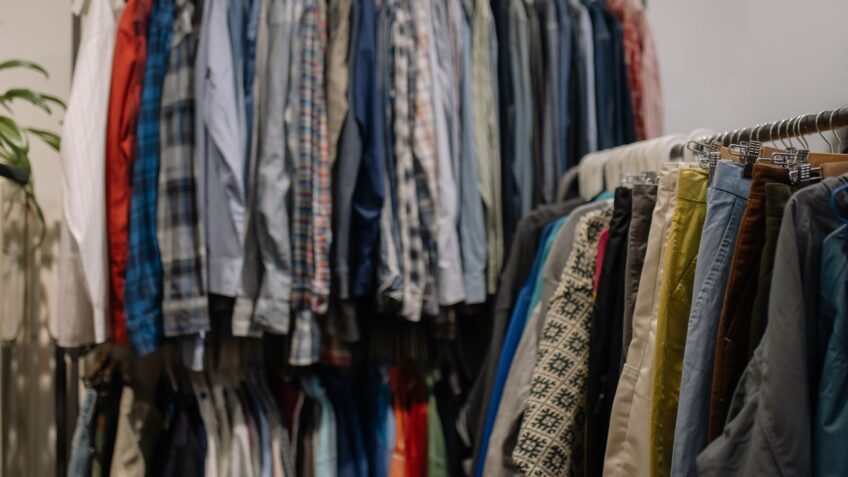
Secondhand shopping has a reputation problem it doesn’t fully deserve. With a bit of know-how, thrifted and consignment finds can rival new purchases in quality — often for a fraction of the price.
Myth: Thrifted Items Are Always Worn Out
In reality, a large share of secondhand inventory comes from people who simply no longer want an item, not from items that were used until they fell apart. Many pieces show minimal wear, and some still have original tags attached.
Myth: You Can’t Find Quality Brands Secondhand
Higher-end and well-made brands actually show up frequently in thrift and consignment shops, partly because better-made items last long enough to be donated in good condition rather than thrown away.
What to Actually Check Before Buying
- Seams and stitching, for signs of strain or repair that might get worse over time
- Zippers and buttons, which are the most common failure points on secondhand clothing
- Fabric pilling or thinning, especially under the arms and at contact points
- Odors that don’t come out with a normal wash, which can indicate deeper issues
Timing Your Shopping
Thrift stores restock constantly, and inventory turns over fast. Shopping the same store regularly, rather than expecting one big trip to cover everything, tends to produce better finds over time.
Where Secondhand Makes the Least Sense
Certain categories — mattresses, some baby gear, and anything with safety components like car seats — are generally better bought new, regardless of the savings, due to wear that isn’t visible from the outside or safety standards that change over time.
Final Thought
Secondhand shopping rewards patience more than any other shopping strategy. The savings are real, but they come from checking back often rather than expecting to find everything in one visit.