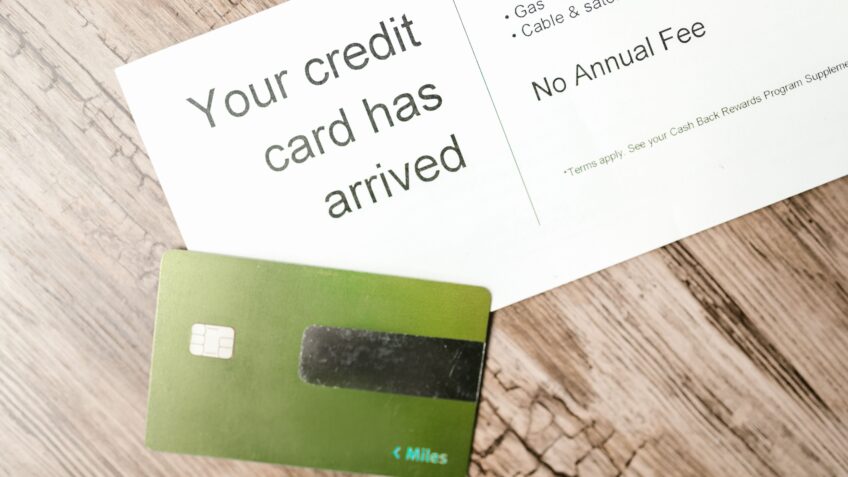
Loyalty points and credit card perks can each save you money on their own, but the real advantage comes from stacking them — layering multiple rewards onto a single purchase so you’re benefiting from several programs at once rather than choosing between them. Done deliberately, stacking turns ordinary spending into meaningfully more value. Done carelessly, it can tempt you into spending more than you planned or opening accounts you don’t need. Here’s how to do it the smart way.
At its simplest, stacking means combining benefits that don’t cancel each other out. Paying with a rewards credit card while also applying a store loyalty discount and a manufacturer coupon means you’re earning card rewards on top of a discount on top of another discount — all on the same transaction. Each layer is independent, so they add together rather than competing.
| Combination | Why It Works |
|---|---|
| Store credit card + sale pricing | Extra rewards or a discount percentage applied on top of an already-reduced price |
| Cashback card + cashback app | Two separate rewards programs both earning from the same single purchase |
| Loyalty points + manufacturer coupon | A discount at checkout, plus points earned on the pre-discount or discounted total |
| Shopping portal + rewards card | Portal bonus rewards layered onto the card’s standard earning rate |
How you sequence the layers can affect the total benefit. Applying coupons and loyalty discounts at checkout, then paying with a rewards card, generally captures the most value. Some shopping portals also require you to click through them before you start shopping, so that step has to come first or the portal rewards won’t track at all. It’s worth knowing each program’s rules, because a mistimed step can quietly break the stack.
The biggest pitfall in reward stacking isn’t mechanical — it’s behavioral. Opening new store credit cards purely to capture a one-time stacking discount can hurt your credit profile if you do it too frequently, and the interest on any balance you carry will dwarf the rewards you earned. Stacking only makes sense when you’re paying off the balance in full and when the card is one you’d genuinely use. Chasing every possible stack with new accounts usually costs more than it saves.
Trying to optimize every single purchase across a dozen overlapping programs is exhausting and rarely worth the effort. A far more sustainable approach is to identify the two or three retailers where you already shop most often, set up a reliable stack for each — the right card, the right loyalty program, the right app — and let everything else happen without overthinking it. Consistency at a few key stores beats sporadic optimization everywhere.
Every stacking strategy should sit on top of one non-negotiable rule: it only counts as savings if you were going to make the purchase anyway. The moment stacking becomes a reason to buy something you didn’t need — or to spend more to hit a bonus threshold — the rewards stop being a benefit and start being bait. Rewards are a discount on planned spending, never a justification for new spending.
Stacking rewards is one of the most effective ways to squeeze extra value out of money you were already going to spend. Layer compatible programs, mind the order of operations, pay balances in full, and keep the whole system simple enough to actually maintain. Above all, let it enhance purchases you’d already decided to make — that’s the difference between smart stacking and expensive habit.
 November Preview: The Sales Categories Worth Planning Around
October 30, 2026
 Halloween Weekend Deals Worth Watching For
October 29, 2026