
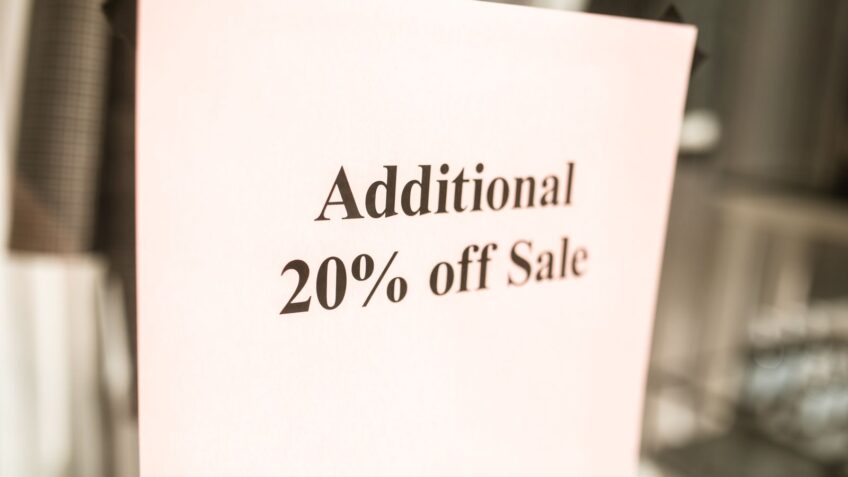
Not every “sale” is actually a discount. Retailers have a handful of tricks that make regular pricing look like a bargain, and learning to spot them takes just a few seconds once you know what to look for.
The Inflated “Original Price”
One of the most common tactics is listing a crossed-out “original price” that the item was never actually sold at, making a modest markdown look far more dramatic than it is.
The Ever-Present Sale
If a store seems to be perpetually running a sale — every week, every month — the “sale” price has effectively become the real price, and the discount framing is just marketing.
Bundled Discounts That Require Overspending
“Spend $100, save $20” offers can push you into buying more than you need just to unlock a discount that ends up costing more overall than simply buying what you originally wanted.
How to Actually Check
- Use a price history tool or browser extension to see what an item has actually sold for over recent months
- Compare the “sale” price against the same product at a different retailer
- Be skeptical of discounts on brand-new releases, which rarely have room for a genuine markdown yet
The Bottom Line
A little verification takes less time than the checkout process itself, and it’s the single best defense against sale-price theater.