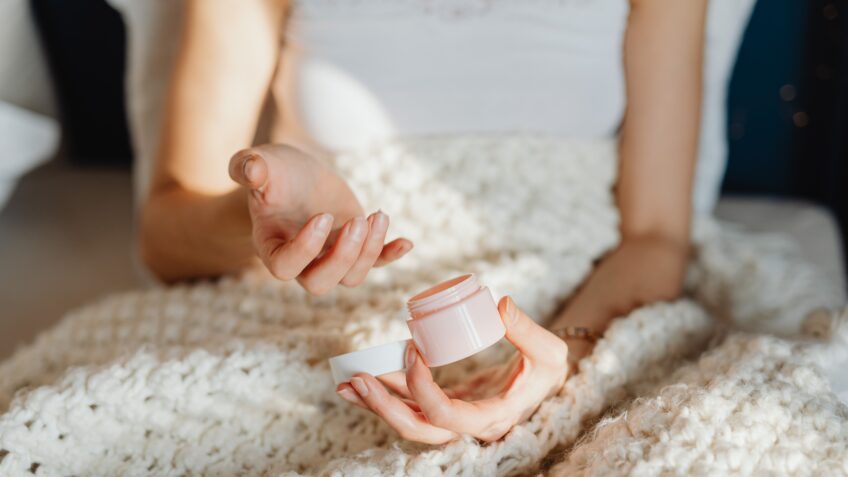
Skin genuinely behaves differently once temperatures drop, and understanding what’s actually changing helps target adjustments instead of guessing at new products.
Cold outdoor air holds less moisture, and indoor heating dries it out further, creating a double effect that leaves skin more dehydrated than it was just weeks earlier.
The skin’s natural barrier — responsible for keeping moisture in and irritants out — can become compromised in cold, dry conditions, sometimes showing up as redness, sensitivity, or flakiness that wasn’t present in warmer months.
Many people notice less natural oil production in winter, which can be a relief for oilier skin types but a challenge for those already prone to dryness.
Skin that feels comfortable, not tight, several hours after applying moisturizer is a good sign your routine has genuinely adapted to the season rather than just going through the motions of a routine built for warmer weather.
 Cyber Monday vs. Black Friday: Which One Actually Has Better Deals?
November 3, 2026
 Black Friday 2026: What to Expect and How to Prepare
November 2, 2026